Exporting Philippine Products to the World: A Guide to International Freight Forwarding
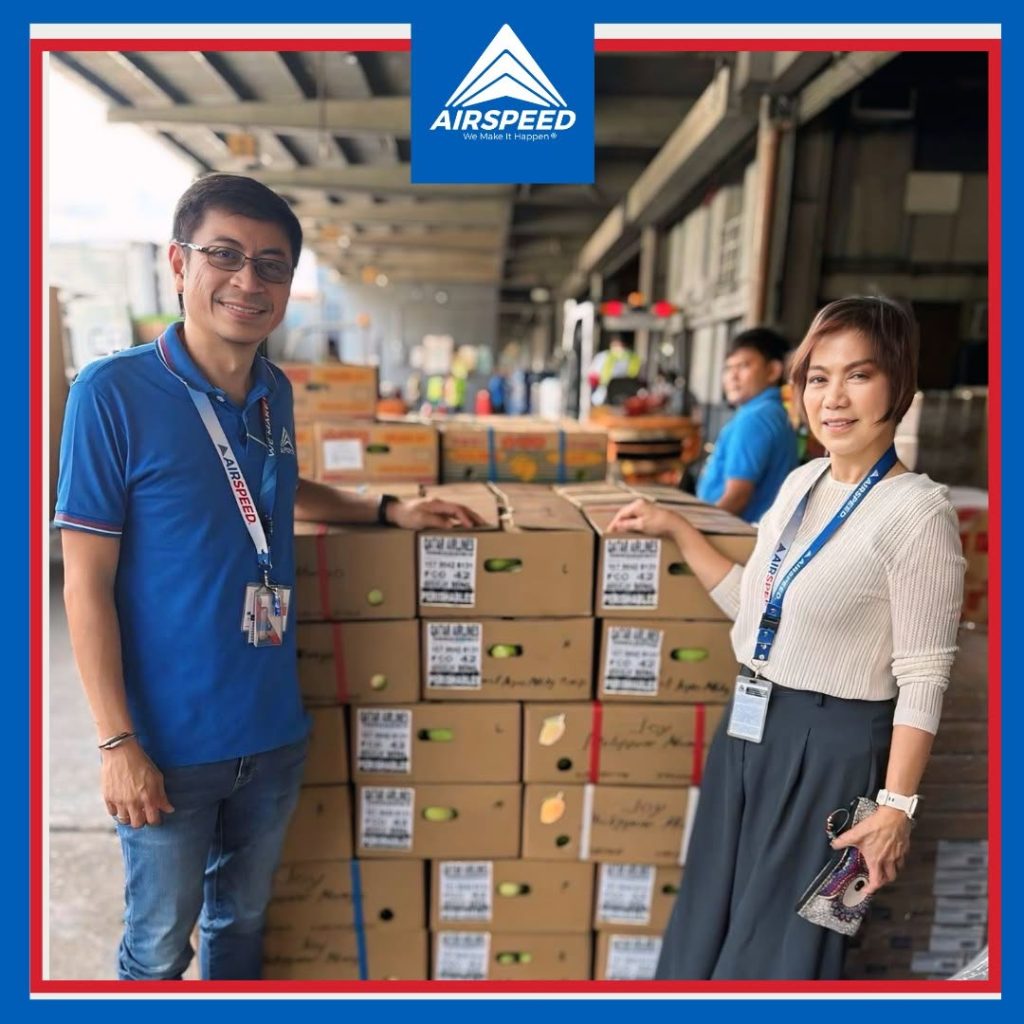
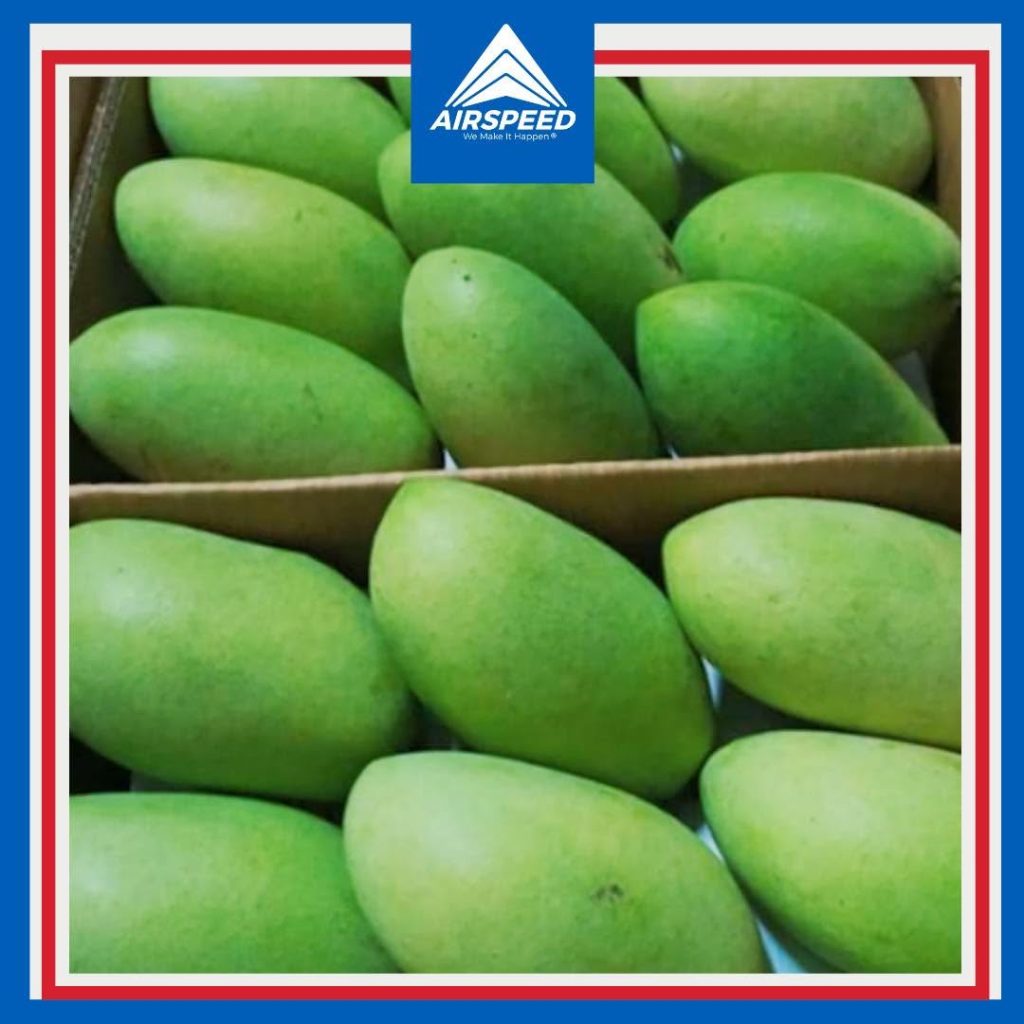
In June 2025, Philippine mangoes were served in Rome.
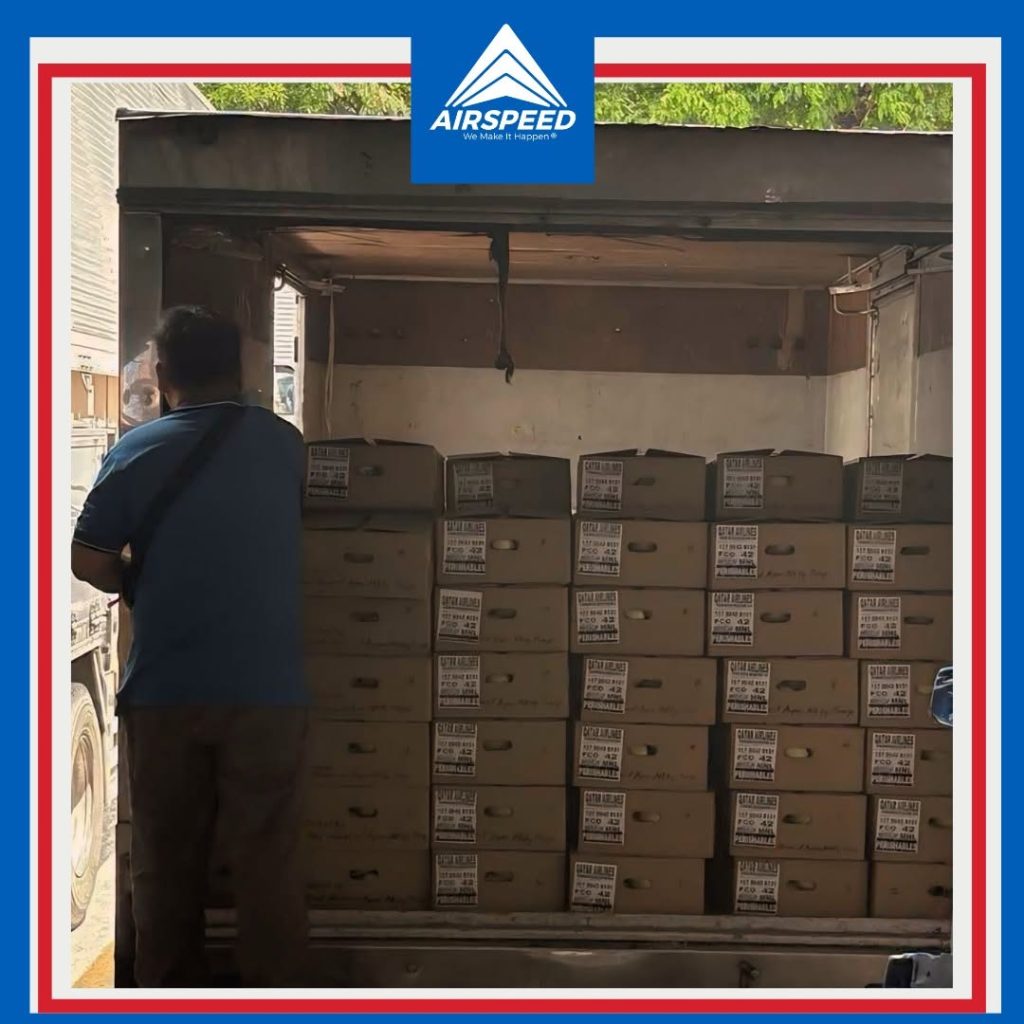
Airspeed was the official logistics provider for the Philippine Harvest export initiative that carried them there — a shipment that says something quietly important about Filipino products. The mangoes were always good enough. What had been missing was the route.
That is the honest situation for most Philippine exporters. The product is competitive. The obstacle is everything between the farm gate and the foreign buyer: modes, documentation, certification, and the fact that no one teaches this in school.
What a Freight Forwarder Actually Does
A freight forwarder coordinates the movement of your goods from the Philippines to their destination abroad. Selecting the transport mode, booking cargo space, preparing export documentation, arranging customs clearance, and tracking the shipment end to end.
The alternative is managing carriers, ports, and government agencies yourself, in a country you have never shipped to, under rules you have not read. For a small exporter, the forwarder is not a convenience. It is the difference between exporting and intending to.
Choosing Your Mode: Air or Sea
This is the first real decision, and it is decided by the cargo rather than by preference.
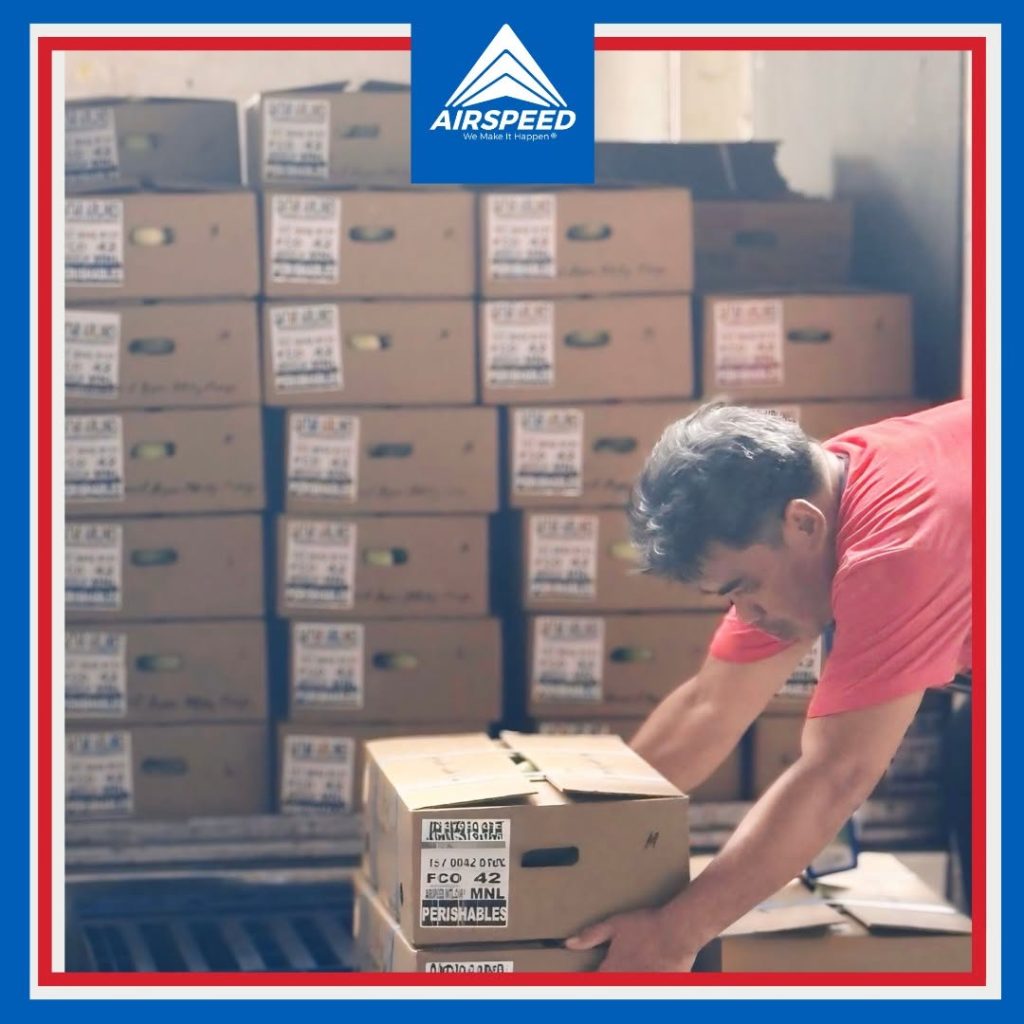
Air freight is for cargo where time is part of the product. Perishables, high-value goods, urgent restocks. Transit is measured in days, and quality survives the journey — which is precisely why fresh produce travelling to Europe goes this way. It costs more per kilogram because capacity is scarce and priced by weight and volume. When a delay would cost you the season, the sale, or the shipment itself, that premium is not a premium.
Sea freight is for cargo where volume is the problem. It moves most of the world’s trade because nothing else is economical at scale. Two options matter: a Full Container Load (FCL) when you have enough goods to fill a container, and a Less than Container Load (LCL) when you share space with other shippers and pay proportionally. LCL is how most exporters begin; FCL is a milestone you grow into.
The practical answer for many businesses is both — air for what cannot wait, sea for what can.
Documentation Is Where Exports Actually Fail
Very few shipments are stopped by the ocean. They are stopped by paper.
Export documentation, tariff classification, and permits must be correct before anything moves, and customs clearance is where errors surface expensively. Beyond the Philippine side, each destination imposes its own requirements — and these are frequently where first-time exporters are caught out.
Consider Halal certification. For Filipino food producers selling into Muslim markets, Halal compliance is not a marketing badge but an entry condition, governing handling and storage as much as ingredients. Airspeed took part in the Philippine Halal Trade and Tourism Expo in Davao precisely because Halal perishable logistics is a distinct capability, not an afterthought. Every destination has some version of this. The forwarder’s job is to know which one applies to you.
Why This Matters for MSMEs
Large exporters absorb this complexity with staff. Small ones cannot, and that asymmetry is why so many excellent Filipino products never leave the country.
Airspeed confirmed its Pledge of Support to the Department of Trade and Industry’s Supply Chain and Logistics Management Division initiative for micro, small, and medium enterprises — with Airspeed International President and CEO Mariz Regis joining DTI Secretary Cris Roque. The commitment is specific: help MSMEs reach international markets by removing the logistics barriers that keep them local.
The company’s own history explains the interest. Airspeed began as a small business too, and it remembers what it needed then.
Take Your Business Global
Whether you are shipping your first LCL consignment or your hundredth container, Airspeed brings four decades of freight forwarding experience and a network that reaches the markets you are aiming for. Read more about how we handle regulated, perishable, and time-critical cargo, then request a quote or email [email protected] — and let Airspeed make it happen.