Built to Deliver: Construction and Automotive Logistics for Heavy, High-Value Cargo
A steel beam and a luxury sedan have almost nothing in common — except that both punish carelessness. Industrial cargo is heavy, oversized, expensive, and frequently irreplaceable on short notice. When a shipment of machinery is damaged in transit, the cost is rarely the machine alone. It is the construction crew standing idle, the assembly line paused, the project timeline sliding by weeks.
This is why moving construction materials, heavy equipment, and vehicles is a discipline of its own. Here is what that journey actually involves, from the port to the point of use.
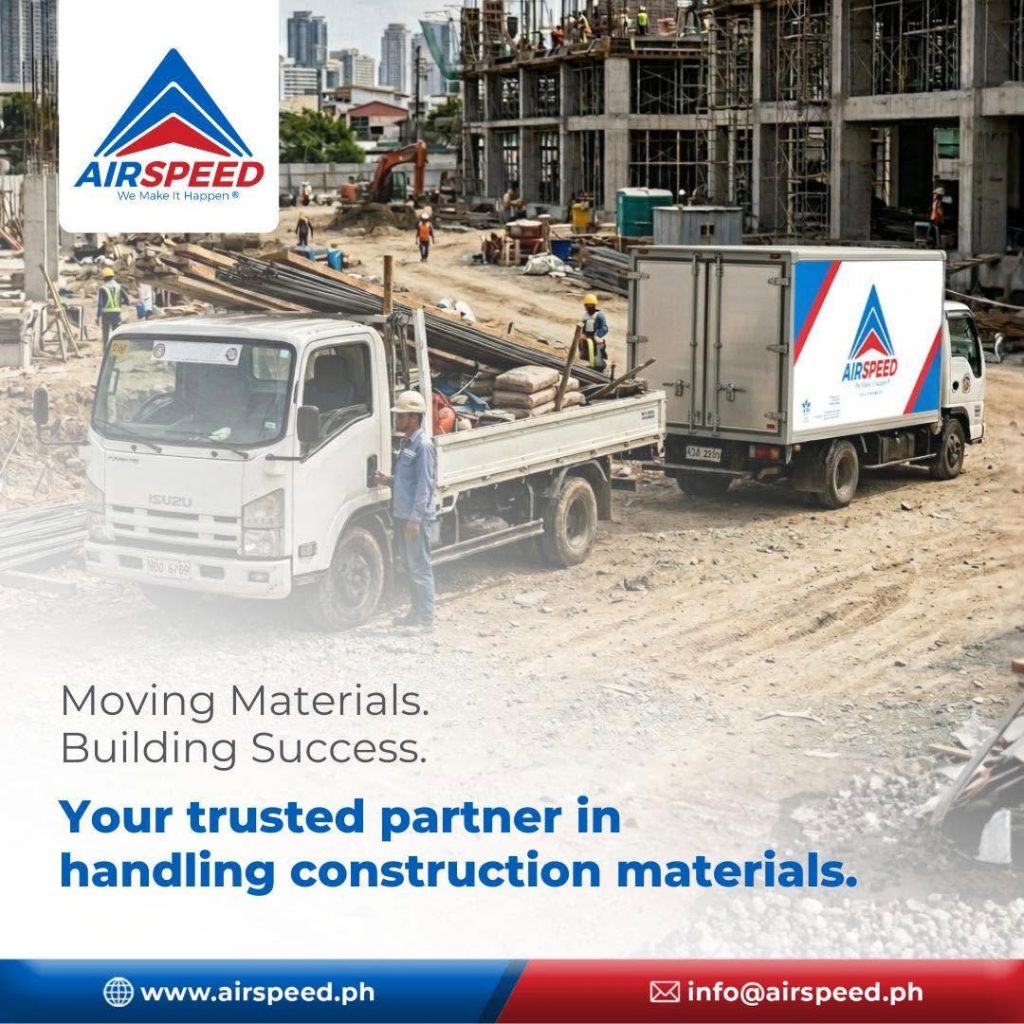
Why Industrial Cargo Is a Different Discipline
Ordinary freight forgives small mistakes. Industrial freight does not. Loads may exceed standard container dimensions or weight limits. Equipment surfaces scratch, mechanisms misalign, and precision components fail if handled roughly. Replacement lead times can stretch to months, which means a damaged unit is not a delay of days but of quarters.
Handling this cargo demands the right equipment, the right securing methods, and crews who understand what they are moving. That is the essence of specialized logistics — not simply larger trucks, but a different standard of care applied at every touchpoint.
It Usually Starts at the Port
Most heavy industrial cargo enters the country by sea. Weight and volume make air freight impractical for machinery, structural materials, and vehicles, while ocean transport offers the capacity and cost structure the category requires. Sea freight forwarding handles this from port to destination, scaling with the size of the consignment as a project grows.
Scalability matters more here than in most categories. A construction project’s material requirements swell and contract by phase, and a logistics arrangement that fits the foundation stage will not fit the fit-out. Businesses need a freight partner whose capacity moves with them rather than one they outgrow. If you are weighing transport modes for your own cargo, our comparison of sea and air freight explains where each fits.
Customs Is the First Deadline
Imported machinery, vehicles, and equipment face a demanding entry process. Classification must be correct, permits must be in order, and documentation must satisfy every agency with a stake in the shipment. When industrial cargo is held at the border, storage fees accumulate on high-value goods and the delay propagates directly into project schedules.
Bridging that gap cleanly is what customs clearance expertise buys you. It is the difference between equipment that reaches the site as planned and equipment that sits at a port while a crew waits.
Staging: The Step Most People Forget
Cargo rarely goes straight from port to installation. Materials arrive before a site is ready. Spare parts must sit close to where they will be needed. Vehicles await dealer allocation. Without a plan for this interval, expensive goods end up exposed, disorganized, or stranded far from where they are required.
This is the quiet value of storage solutions positioned across Luzon, Visayas, and Mindanao. Nationwide coverage means inventory can be staged near the project rather than warehoused in Manila and trucked across the country under deadline pressure. For construction in particular, where sites are often provincial, proximity is not a convenience — it is schedule protection.
The Last Mile Is the Riskiest
The final leg carries the highest risk, because the cargo is closest to its full value and furthest from a controlled environment. Construction sites are congested and unfinished. Vehicles must arrive showroom-ready, without a mark. Heavy machinery must be positioned precisely, sometimes with only one opportunity to place it correctly.
Getting this right depends on land freight and, for island destinations, Ro-Ro transport that keeps wheeled cargo moving with minimal handling between legs. Fewer transfers mean fewer chances for damage. Whether the delivery is a pallet of components or a piece of specialized equipment, precision at the end is what makes everything before it worthwhile.
Build with Confidence
From port to site, from small components to massive structures, Airspeed moves industrial cargo with the care and precision it demands. Request a quote or email [email protected], and let Airspeed make it happen for your project.