The Unbroken Chain: How Cold Chain Logistics Protects Food, Farms, and Medicine
A tray of premium seafood, a crate of freshly harvested fruit, and a carton of temperature-sensitive medicine appear to have nothing in common. In logistics, they are the same problem. Each is destroyed not by impact or theft but by something far more ordinary: a few hours at the wrong temperature.
The industry calls this the cold chain, and the metaphor is exact. It is a chain, and it is only as strong as its weakest link.
What “Cold Chain” Actually Means
Cold chain logistics is the unbroken maintenance of a required temperature range from origin to destination. Not mostly unbroken. Not unbroken except for the transfer at the port. Unbroken — through storage, loading, transport, handover, and final delivery.
The word “chain” carries the whole meaning. A shipment can be refrigerated flawlessly for ninety-eight percent of its journey and still arrive worthless, because the two percent spent on a hot loading dock was enough. This is why cold chain is a discipline of continuity and monitoring rather than simply owning refrigeration. Consistency is the product.
Food and Seafood: Freshness Is What You Are Selling
For food businesses, the cargo and the value proposition are the same thing. Nobody buys seafood that is technically edible. They buy seafood that is fresh, and freshness is a temperature history written into the product long before it reaches a plate.
Handling this well requires specialized logistics built for perishables — bridging origin and destination without the gaps where quality quietly disappears. For food and beverage businesses managing this alongside storage and fulfillment, our guide on logistics for a growing food business covers the wider picture.
Agriculture: The Clock Starts at Harvest
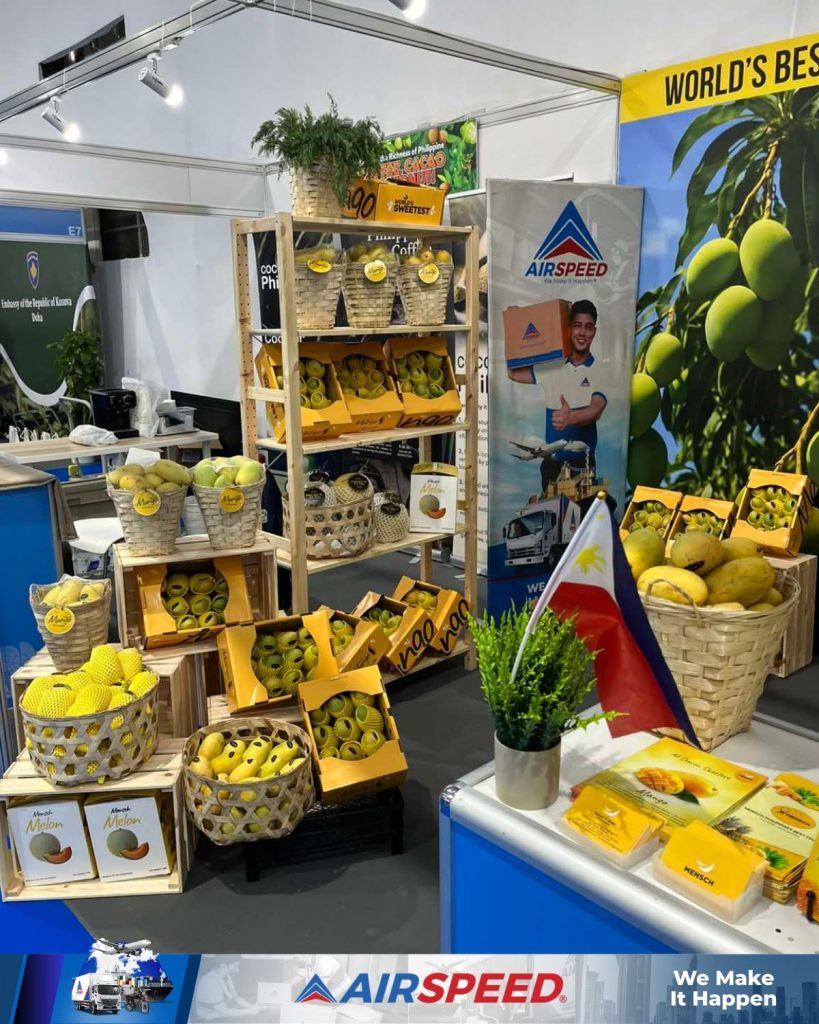
Behind every successful harvest is the far less visible work of moving it. Produce begins losing value the moment it leaves the plant, and Philippine geography adds distance, transfers, and island crossings to a countdown that has already started.
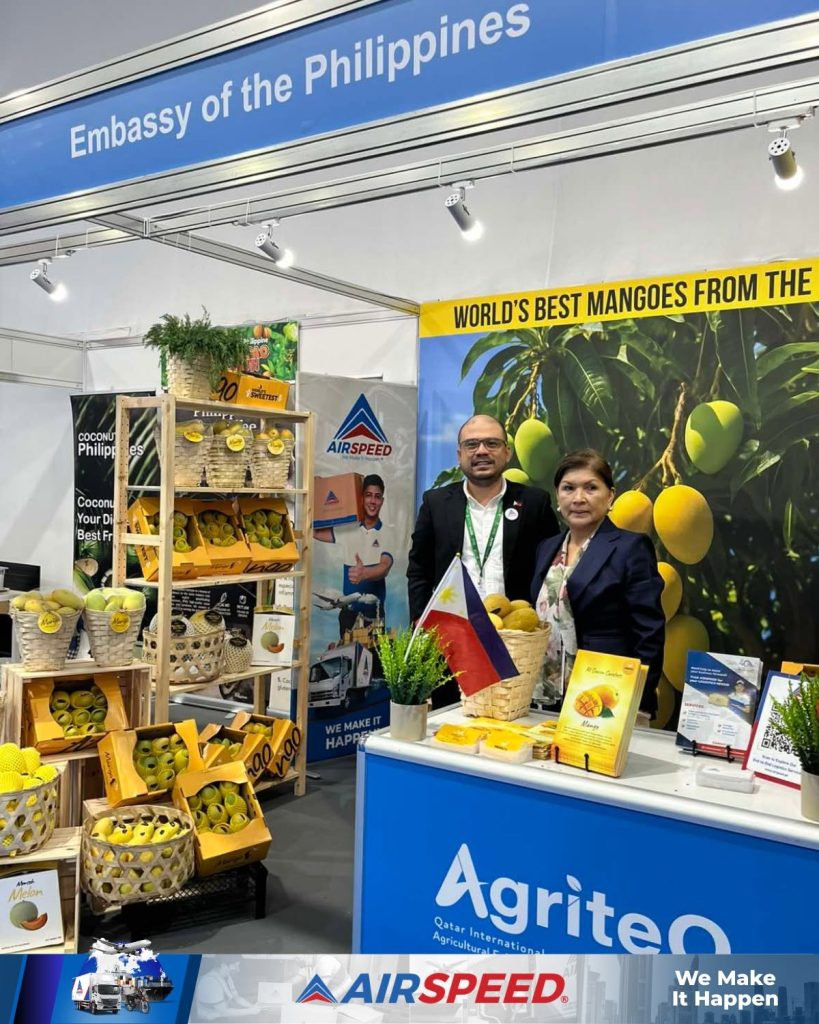
For farmers and agribusinesses, this is not an abstraction. It determines whether a harvest reaches a market shelf at premium quality or arrives diminished, sold at a discount, or discarded. It also determines whether local growers can reach beyond their province at all. Handled properly, perishable cargo travels considerably further than most farmers assume — Philippine produce reaches European buyers precisely because the chain holds across that distance, typically moving by air freight when speed protects value.
Healthcare: When Temperature Is a Safety Requirement
Food that spoils is a commercial loss. Medicine that spoils is a safety problem, and often an invisible one — a compromised product frequently looks identical to a sound one.
Pharmaceutical and healthcare cargo therefore demands the strictest standard in the category: storage that is cold, controlled, and consistent, with active monitoring rather than assumption. The requirement is not merely to keep products cold, but to know, and to be able to demonstrate, that they stayed within range from warehouse to point of care. Storage solutions designed for this cargo treat monitoring and documentation as core functions, not accessories.
The Chain Only Works End to End
Most cold chain failures do not happen in the warehouse. They happen in the spaces between — during handover, in an unrefrigerated vehicle, on the final leg where cost pressure tempts shortcuts.
This is why the transport legs matter as much as the storage. Land freight across cities and regions, and a last mile delivery network that completes the journey, are what turn a well-run warehouse into an actual chain. A logistics partner who owns the whole sequence has nowhere to hide a broken link — which is precisely the point.
Keep Your Chain Unbroken
Whether you move seafood, harvests, or healthcare products, Airspeed has the facilities, the fleet, and the discipline to protect them end to end. Request a quote or email [email protected], and let Airspeed make it happen.