Land Freight Forwarding in the Philippines: Moving Bulk Cargo Safely and on Schedule
Every shipment that has ever flown or sailed also travelled by road. Air freight and sea freight get the headlines, but the truck is the mode that actually reaches the door — the first mile out of the warehouse and the last mile to the customer are almost always by land.
That makes land freight the connective tissue of a supply chain. And in a country of more than 7,600 islands, it does double duty: moving goods across a province, and linking with inter-island shipping to hold the whole network together.
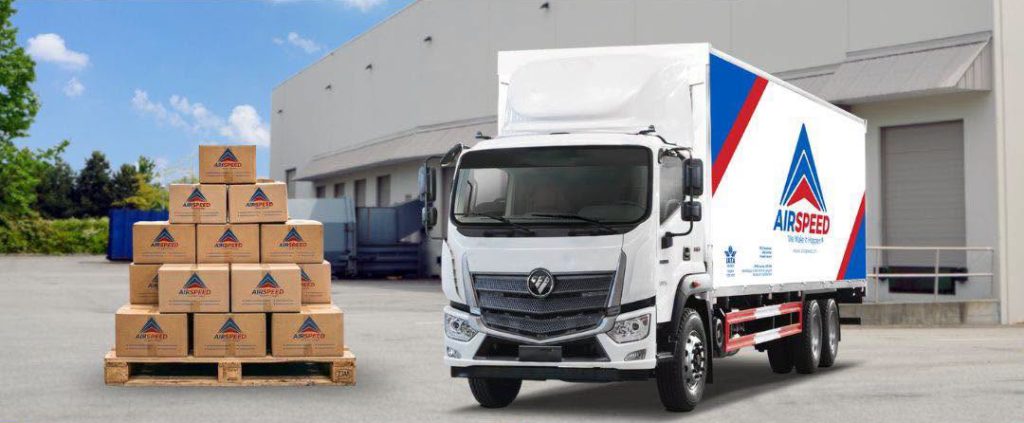
What Land Freight Forwarding Covers
Land freight forwarding is the movement of cargo overland by road, coordinated end to end: route planning, scheduling, loading and securing, transport, and delivery. It ranges from small consignments on shared trucks to full loads of bulk, heavy, or oversized cargo that no parcel service can handle.
For a business, the value is not simply “a truck.” It is a managed movement — the right vehicle, the right route, and a delivery window you can plan production or retail around.
Choosing How Your Cargo Moves: FTL vs LTL
The first decision mirrors the one shippers make at sea.
A Full Truckload (FTL) dedicates an entire vehicle to your cargo. It is direct, faster, and involves less handling because nothing is loaded or unloaded along the way — the right choice for large volumes, bulk goods, or fragile shipments that should not be disturbed.
A Less-than-Truckload (LTL) shares space with other shippers, and you pay in proportion to what you use. It is the economical route for smaller consignments that do not justify a full vehicle.
Most businesses use both over time, matching the mode to each shipment rather than forcing one to fit all.
Why Bulk Cargo Demands More Than a Truck
Bulk and oversized cargo is where inexperience shows. Loads must be correctly distributed and secured, routes must account for road and bridge limits, and oversized movements may require permits and escorts. Get any of it wrong and the cost is not only a damaged shipment — it is a missed schedule.
And schedule is usually the real product. A delivery that arrives safely but a day late still idles a production line or leaves a shelf empty. Reliable land freight is measured as much by when it arrives as by whether it arrives intact.
Land and Sea, Working Together
In an archipelago, land freight rarely works alone. A single consignment might leave the factory by truck, cross between islands by roll-on/roll-off vessel, then continue by road to its final destination. (See our guide to inter-island shipping and RoRo in the Philippines.)
Each of those handoffs is a point where time can be lost — or protected. When land freight, sea transport, and the connections between them sit with one provider, the movement is coordinated as a single journey rather than a relay between vendors. That integrated approach is the foundation of true end-to-end logistics.
What to Look For in a Land Freight Partner
Before entrusting bulk cargo to a provider, ask:
- Does their fleet match your cargo — from standard loads to bulk and oversized?
- Do they plan routes and schedules, or simply dispatch a vehicle?
- Can they connect land movements with inter-island shipping, air, and sea under one accountable chain?
- Do they give you visibility over where your shipment is and when it will arrive?
A provider who can answer all four moves your business forward. One who cannot simply moves your boxes.
Keep Your Business Moving
Whether you are shipping bulk cargo across a province or coordinating a nationwide, multi-island delivery, Airspeed’s land freight forwarding keeps your goods moving safely and on schedule. Visit airspeed.ph or email [email protected] to request a quote, and let Airspeed make it happen.